when choosing a japanese cloud server , price and cost performance are the core concerns of users. this article analyzes the latest price trends, driving factors and price/performance evaluation ideas of japanese cloud servers, and puts forward practical selection suggestions. the article does not provide specific quotations, but is based on market observations and general billing principles to help enterprises and developers make rational judgments among diverse options.
in recent times, the japanese cloud server market has shown structural adjustments: basic computing and storage resources have become more transparent, promotions and discounts are common, and competition has driven the basic price to stabilize or fall slightly. but high-performance instances, private networks and compliance services remain at a premium. prices are affected by global supply and demand, hardware updates, energy and bandwidth costs, and local regulations. short-term fluctuations are mostly related to promotional cycles and peak business seasons.
cloud service fees consist of computing, memory, storage, disk performance, bandwidth and public network traffic, snapshot backup and additional security services. common billing models include on-demand, annual/monthly, reserved, and spot instances. bandwidth peak billing and cross-region traffic will significantly affect the final bill. choosing the appropriate billing model and using budget alerts can effectively control costs.

evaluating price/performance should be measured in terms of "unit business cost," such as cost per concurrent connection or per gb of throughput. pay attention to cpu type, memory and cache, disk iops and latency, network bandwidth and packet loss rate. pay attention to the difference between peak performance and sustained performance marked by the manufacturer. actual load testing can better reflect the cost-effectiveness than just looking at parameters.
data centers in different regions of japan have differences in latency, direct line and bandwidth charges. for cross-border users, inbound and outbound bandwidth and dedicated line fees will affect the overall cost. nearby deployment can reduce latency and improve user experience, but if cross-regional disaster recovery or global distribution is involved, additional network costs need to be weighed.
compliance auditing, data residency and advanced protection (such as ddos mitigation, waf, encrypted backup) usually bring additional costs, but they are necessary investments for industries such as finance and medical care. when assessing price/performance, compliance costs should be factored into total cost of ownership (tco) and weigh potential risks versus the cost of compliance breaches.
the selection should be based on business scenarios: lightweight websites can give priority to low-cost instances and on-demand billing; e-commerce and small and medium-sized enterprises need to emphasize elastic expansion and peak bandwidth; enterprise-level applications should look at high availability, network isolation and sla terms. it is recommended to conduct capacity evaluation, stress testing and short-term trial first, and then adjust the instance specifications and billing plan based on actual utilization.
summary: the japanese cloud server market is maturing and price transparency has improved, but the difference is still determined by performance, network and compliance services. it is recommended to first clarify the key business indicators (latency, throughput, availability), use trials and monitoring to verify performance, compare the total cost of ownership rather than a single price, and weigh between long-term contracts and flexible expansion. if necessary, negotiate with suppliers for customized solutions to improve cost performance.
- Latest articles
- Parameters And Deployment Suggestions For Optimizing The Performance Of Cambodian Cloud Servers For E-commerce Scenarios
- Why Companies Choose Huawei Cloud Server Vietnam For Southeast Asian Market Expansion
- Why Enterprises Choose To Access Hong Kong Servers And Bypass Japan’s Hybrid Cloud Strategy
- Interpretation Of Malaysia Unicom’s Serverless Service From An Operator’s Perspective: Common Causes And Division Of Responsibilities
- Security Control List Helps Enterprises Maintain Access Control For Servers Hosted In The United States
- Construction And Maintenance Why You Should Pay Attention To The Service Provider SLA When Renting A German Server Dedicated Line
- Technical Prevention Improves The Ability Of Enterprises To Resist Attacks Related To Video Of Thailand Computer Room Fraud Incident
- Integration Of High-defense And Native IP, Taiwan Vps Native IP, Detailed Explanation Of High-defense Cloud Host Security Strategy
- How Is It Possible To Improve Thailand Vps Speed In All Aspects From DNS To Route Optimization?
- Korean Sk Cloud Server Acceleration Optimization Case In The Game And Video Industry
- Popular tags
-
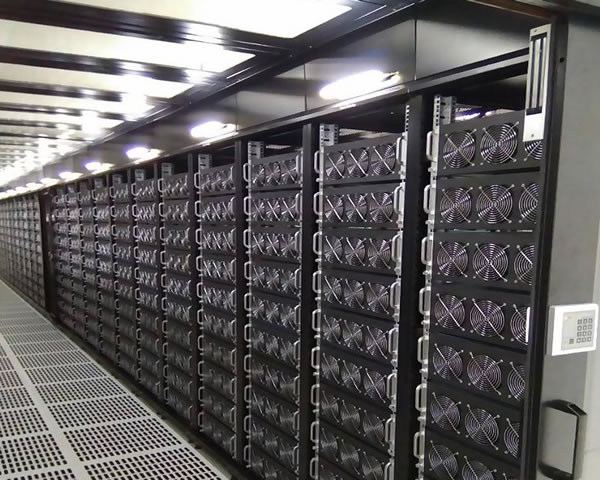
Analysis Of Japanese Cloud Server Prices And How To Choose The Best Solution
this article provides an in-depth analysis of cloud server prices in japan and provides practical advice on choosing the best solution. -
From A Backup And Recovery Perspective, Good Software For Japanese Cloud Servers Ensures Data Reliability
An analysis from the perspective of backup and recovery of data protection software strategies suitable for Japanese cloud servers, covering incremental backup, encryption, offsite disaster recovery, and testing recommendations to enhance data reliability. -

Why 55444442 Japan Private Vps Is Your Ideal Choice
learn why 55444442 japan private vps is your ideal choice, providing high performance and secure virtual private server services.